



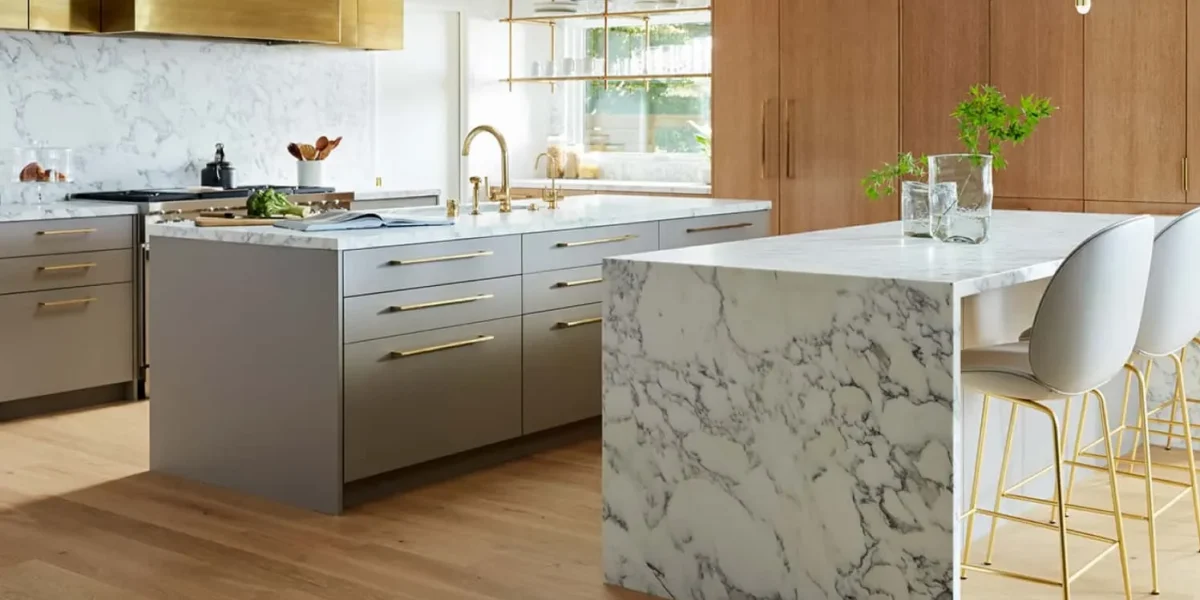
Specifying Oak: Why It’s Still the Flooring Benchmark
About:
Accounting for over 60% of all hardwood flooring installations, White Oak reigns as the undisputed gold standard of interior design. But what makes this iconic species the preferred canvas for architects, builders, and designers worldwide?
Join us as we trace the journey of White Oak from sustainable forests to precision-crafted millwork. In this comprehensive guide, we’ll explore the distinct characteristics of European versus North American species, dissect forest management practices, and break down essential saw-milling, drying, and grading techniques. You’ll gain actionable insights on specifying the right cuts, navigating finishing palettes, and ensuring long-term care—giving you the technical confidence to elevate your next residential or commercial project.
Key Topics Covered:
- Dominance in Design: Why White Oak commands 60%+ of the hardwood market.
- Global Species Comparison: European vs. North American White Oak, plus performance against other hardwoods.
- Forestry & Sourcing: Sustainable management practices in North America and Europe.
- Manufacturing Mastery: From harvesting and precision saw-milling to drying, veneering, and millwork production.
- Grades & Cuts: Deciphering live sawn, quarter sawn, rift sawn, and visual grading.
- Finishing & Care: Unlocking Nature’s best lumber palette with optimal maintenance protocols.
- Specification Essentials: Best practices for writing specifications.
Learning Objectives:
- Analyze North American and European forest management practices, harvesting methods, and life-cycle assessments (LCA) to specify White Oak products that support carbon sequestration, ecosystem conservation, and responsible resource stewardship.
- Examine the anatomical structure of White Oak (including tyloses and grain orientation from plain, rift, and quartered cuts) and kiln-drying techniques to prevent moisture-induced failures such as cupping, warping, and structural movement in interior applications.
- Identify natural, low-VOC, and non-toxic finishing technologies (such as hardwax oils and waterborne finishes) that enhance biophilic design benefits while maintaining healthy indoor air quality (IAQ) for building occupants.
- Develop precise CSI Division 06 (Wood, Plastics, and Composites) and Division 09 (Finishes) specifications, detailing grading, cut types, installation methods, and maintenance protocols to ensure long-term durability, slip resistance, and occupant safety.
This course is accredited for 2 LUs/HSWs (AIA).
Location:
Aronson’s Floor Covering
135 West 17th St New York, NY 10011
(Between 6th and 7th Avenues)
Register:
This lecture will be live in our Chelsea showroom. Lunch will be served.
NOTE: Registration subject to availability